AI agent 要代替使用者讀 GitHub issue、查 Slack 或操作其他 SaaS 時,真正困難的通常不是把 OAuth 按鈕畫出來,而是證明「這一位使用者、在這一個 agent session、對這一個 Gateway、授予了這一組 scope」。AWS Machine Learning Blog 在 2026-09-14 發布的 AgentCore Consent Portal walkthrough 把這段常被各團隊重造的流程交給 Amazon Bedrock AgentCore Identity 與 Gateway。
它的價值不在於多了一個 Connect page,而在於把 end-user consent、portal session binding、Gateway resource 與 outbound provider token custody 放進同一條可觀測流程。不過,這仍是一篇 AWS 的 reference walkthrough:文章展示「AWS 文件描述的 flow 如何串起來」,不是獨立 security review,也沒有替企業證明所有 IdP、scope、session、IAM 或 provider compatibility 都安全。
先看完整的責任鏈
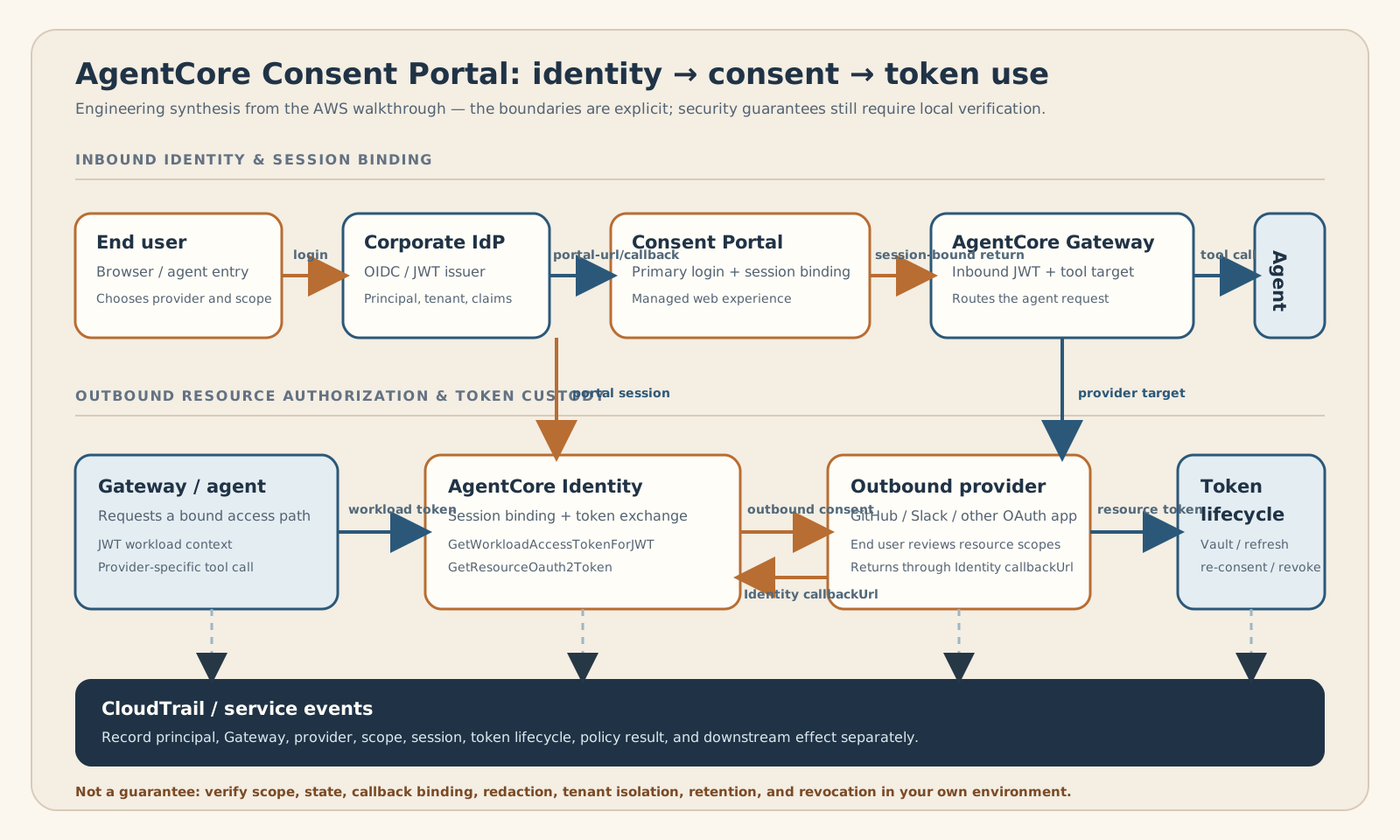
圖:Bloss0m 工程化整理,將 AWS walkthrough 的 identity login、portal session binding、outbound provider consent、token lifecycle 與 CloudTrail evidence 分成不同邊界;這不是 AWS 官方原圖,也不代表已完成安全保證。
Consent Portal 的最小心智模型可以拆成五個角色:
| 角色 | 在流程中負責什麼 | 不應被誤認成什麼 |
|---|---|---|
| End user | 在瀏覽器完成 corporate IdP login,並針對 GitHub、Slack 等 target provider 個別 consent | 不是一個可以把所有 provider scope 一次授予 agent 的超級帳號 |
| Corporate IdP | 證明使用者與組織身分,向 portal 回傳 OIDC/JWT result | 不是 GitHub 或 Slack 的 outbound resource provider |
| AgentCore Gateway | 暴露 agent 可呼叫的 tool/resource,承接 inbound JWT 與 target return flow | 不是替每個 end user 保存所有第三方 refresh token 的應用程式 |
| AgentCore Identity | 管理 portal session binding、取得 workload access token,並完成 resource token exchange | 不是讓任意 Gateway request 自動取得 provider scope 的授權器 |
| Outbound provider | GitHub、Slack 或其他 OAuth app 的 consent、access token 與 refresh token issuer | 不是 Consent Portal 的 primary corporate IdP |
這個角色拆分很重要,因為企業常把「使用者登入 agent」和「使用者把 GitHub 權限交給 agent」想成同一個 OAuth。AWS 文件的語意是兩段不同的 delegation:先用 corporate IdP 確認 principal,再讓這位 principal 對某一個 outbound resource provider 做另一次 consent。若兩段 scope、subject、audience 或 callback 被混在一起,後續 CloudTrail 記錄也很難說明到底是哪一次授權產生了哪一顆 token。
三條 callback:最容易接錯的地方
AWS 的 Consent Portal configuration guide 與 prerequisites 對 callback 的角色有很清楚的區分。把它整理成 routing table:
| Callback | 誰呼叫 | 回到哪裡 | 它完成的事情 |
|---|---|---|---|
| portal-url/callback | Corporate IdP 回傳 | AgentCore Consent Portal | 完成 portal 的 primary identity login 與 session binding |
| portal-url/connect/callback | Gateway target 或 default return flow | Consent Portal 的連線流程 | 把 Gateway request 導回使用者的 target connection experience |
| AgentCore Identity callbackUrl | GitHub、Slack 或其他 outbound OAuth app 回傳 | AgentCore Identity 的 resource token exchange | 讓 Identity 完成 provider token 綁定與後續 resource token 取得 |
這三條 URL 的 authority 不一樣。第一條不是 GitHub callback;第二條不是一般 OAuth provider 的 redirect URI;第三條也不是任意 application frontend 可以替換的 callback。實作時應把每一條 URL、client ID、secret、state、redirect URI、issuer、audience 與 token owner 寫入 configuration contract,並在部署後用實際 browser trace 與 CloudTrail event 逐一核對。
AWS 文件也提醒,Consent Portal 的 primary IdP 要是能提供 OIDC/JWT 的 issuer,且需要 openid scope。GitHub 與 Slack 在這個 walkthrough 中是 outbound resource providers,不應被寫成 primary corporate IdP。這不是說 GitHub 或 Slack 不能有自己的 OAuth flow,而是它們在這套 AgentCore architecture 裡扮演的角色不同。
Admin flow:先把 trust boundary 建好
管理員流程不是「建立一個 portal」而已。依 AWS walkthrough 與 supporting docs,部署前至少要完成以下順序:
- 準備 corporate IdP:確認 issuer、discovery endpoint、client ID、client secret、redirect URI 與 openid scope。要先決定哪些 claim 用來辨識 tenant、user、group 與 policy context。
- 準備 outbound provider app:在 GitHub、Slack 或其他 resource provider 設定 OAuth app、client credentials、allowed scopes 與 AgentCore Identity 的 callbackUrl。每個 provider 都要有自己的 scope review 與 revoke/re-consent policy。
- 建立 Gateway inbound auth:Gateway 以 JWT inbound authorization 驗證呼叫者;不要把 inbound corporate identity 與 outbound provider token 當成同一個 credential。
- 建立 Consent Portal:使用 AgentCore Identity 的 managed portal URL 與 Gateway relationship;AWS 文件描述每一個 Gateway 一個 portal 的配置邊界,不能假設一個全域 portal 可以自動替所有 Gateway 做 isolation。
- 保存 secrets 與設 IAM role:client secret 等敏感設定放在 Secrets Manager,Gateway/Identity 使用最小 execution role;role 的 trust policy、resource policy、KMS 權限與 secret read 權限要一起審。
- 註冊 redirect URL 與 allow-list:把 primary IdP callback、connect callback、outbound provider callback 分別登記;不要以 wildcard redirect URI 取代明確的 environment/tenant mapping。
這六步顯示 managed portal 解決的是 common plumbing,不是把 security responsibility 交給 AWS 產品名稱。當企業新增 provider、換 IdP、加 scope、開 multi-tenant Gateway 或改 callback domain,仍要重新檢查 principal、audience、token owner 與 audit events。
End-user flow:兩次同意,兩種 token
實際使用者的 flow 可以寫成一個狀態機:
- 使用者從 agent 或 Gateway target 進入 Consent Portal。
- Portal 將使用者導向 corporate IdP;使用者在 IdP 完成登入。
- Portal 依 callback result 綁定登入 principal 與當前 portal session。
- 使用者看到可連線的 resource provider,例如 GitHub 或 Slack,逐一點選 connect。
- Provider 顯示自己的 OAuth consent page;使用者檢查 scope 後同意。
- Provider 回傳到 AgentCore Identity 的 callbackUrl,Identity 完成 resource token authentication。
- Gateway/agent 之後以 session-bound context 呼叫 GetResourceOauth2Token,或用 GetWorkloadAccessTokenForJWT 取得對應的 workload access token。
- 若 provider 需要 refresh,Identity 依其 token lifecycle 保存與更新;若 refresh token 過期、scope 改變或使用者 revoke,流程回到 re-consent,而不是靜默擴張權限。
這裡要分清 access token 與 workload access token 的語意。前者代表某個 outbound provider 的 resource authorization;後者是 agent/workload 在 AgentCore boundary 內使用的 access path。即使兩者最後都長得像 bearer token,也不應在 log、cache 或 API contract 中互相替代。
AWS walkthrough 也包含 CompleteResourceTokenAuth 這類完成 token auth 的操作,以及 token 取得與 refresh 的注意事項。production implementation 不應只把 API call 串起來,還要保存 correlation ID、portal session、provider、user subject、scope hash、token expiry、refresh outcome 與 revoke reason。token 本體不能進 application log;若需要 debug,記 hash、metadata 與 event reference。
CloudTrail 與 session binding:可見不等於已證明
這套 flow 的一個好處是,AWS 文件把 session binding、token acquisition 與 identity operation 放入可以觀察的 CloudTrail/service event surface。企業可以用這些記錄回答:
- 哪一個 Gateway 觸發了 consent?
- corporate IdP 回傳的 principal 是誰、在哪個 tenant?
- 使用者授予哪一個 outbound provider、哪些 scope?
- token 取得是第一次 consent、refresh、re-consent,還是 error recovery?
- 哪一個 agent workload 使用了哪一個 session-bound token?
- 使用者 revoke 或 provider token failure 後,舊 session 是否被標記為不可用?
但「有 CloudTrail event」不能自動推出「session swap 不可能發生」或「token isolation 已通過獨立 audit」。AWS 文章沒有提供 CSRF、login CSRF、authorization-code interception、session fixation、tenant mix-up、callback confusion 或 token replay 的獨立測試結果。這些是企業在採用前應自行做的 security verification。
Scope 與 token custody:不要把 managed flow 當成 least privilege
Consent Portal 可以讓 end user 看見 provider consent page,但 scope review 仍是平台與產品責任。建議把 scope 分成三層:
| Scope layer | 例子 | 審核問題 |
|---|---|---|
| Identity | openid、subject、tenant/group claims | 這些 claim 是否只用於識別,還是被誤當成 resource authorization? |
| Resource read | 讀 issue、讀 channel、讀 repository metadata | agent 是否真的需要全部 read scope?能否縮到 repository、channel 或 project? |
| Resource write | 建立 issue、送訊息、改檔案、呼叫外部 action | 是否需要 human approval、二次確認、write policy 與 rollback? |
把 refresh token 交給 token vault 並不代表「風險被 AWS 自動消除」。仍要驗證誰能讀 vault、誰能呼叫 GetResourceOauth2Token、是否有 cross-tenant lookup、如何處理 cache、多久 revoke、provider 端 revoke 後多久失效,以及 debug/support workflow 是否會把 token material 帶出邊界。文件描述的是 service capability,不是企業環境的 independent isolation certificate。
更實際的設計是把 provider authorization 與 tool capability 分開。使用者可以同意讀 Slack,但 agent policy 仍只允許搜尋特定 channel;使用者可以同意 GitHub repository read,但 tool schema 仍禁止 write;若要開 write,policy event 要記錄誰、為何、何時、哪一條 approval rule 允許。
失敗模式:看似正常的 OAuth 也可能沒有完成授權
實作時最常遇到的 failure modes 不在 happy path:
- IdP callback 成功、provider consent 失敗:登入 principal 已存在,但 resource token 尚未建立;UI 不應顯示「GitHub 已連線」。
- provider callback 成功、session binding 不一致:如果 state、tenant、Gateway 或 browser session 對不上,應 fail closed,不要用最近一次 token 猜測使用者。
- refresh token 失效:讓 agent 進入 re-consent/reauthorization state;不要無限重試,也不要把 refresh error 轉成 generic 500 讓使用者無法修復。
- scope 變更:provider 要求新的 scope 時,視為新的 consent,而不是沿用舊 token 的成功狀態。
- Gateway 被複製到另一個 environment:callback、secret、execution role 與 tenant mapping 必須 environment-bound;避免 staging token 被 production workload 讀取。
- 使用者 revoke:要能從 provider revoke、AgentCore Identity state、Gateway session、cache 與 downstream audit 反查並停用。
- CloudTrail 不完整:event delivery delay、跨帳號查詢、retention 與 redaction 會影響 incident timeline;不能只假設 console 目前看得到就代表永久可查。
這些 failure modes 也解釋為什麼「managed callback」不是「不用設計 callback」。平台少寫了一些 web server code,卻多了一個需要精確配置的 identity/Gateway contract。
與 Bloss0m 既有文章的連結
如果你剛開始建立 Agent governance,可以先讀企業 AI Agent 的安全邊界總覽;它把 identity、tool、memory 與 human control 放在同一張架構圖裡。GitHub MCP enterprise controls 則適合拿來對照 resource scope、audit 與 write capability。Forge MCP Auth Runtime 會把 auth state 往 runtime policy 再推近一層;若你正在評估 AgentCore workflow,也可以接著讀AWS Step Functions × Bedrock AgentCore 的 validation boundary。
什麼是 AWS 文件明確說的,什麼還需要自己證明?
| 類別 | AWS post/docs 明確提供的內容 | 企業不能直接從中推出的結論 |
|---|---|---|
| Flow | managed portal、primary IdP、outbound provider、callback 與 token API 的 walkthrough | 所有 OAuth provider/IdP 都相容 |
| Identity | OIDC/JWT、openid scope、Gateway/Identity integration | tenant isolation、session swap 或 claim mapping 已通過獨立驗證 |
| Token | token vault、GetResourceOauth2Token、CompleteResourceTokenAuth、workload access token | token 永不出現在 log、cache 或 support surface |
| Audit | CloudTrail/service event 可用於追蹤部分 operation | event 完整、即時、不可竄改,且足以重建每一次 downstream effect |
| Operations | prerequisite、execution role、Secrets Manager 與 cleanup 順序 | availability、cost、latency、revocation SLA 或 production adoption |
這個差異是本文的核心判斷。Vendor documentation 很適合用來建立 implementation checklist,但 security conclusion 需要另外的 threat model、penetration test、negative test、IAM review、multi-tenant test、provider compatibility matrix 與 incident drill。
原文出處與核對範圍
- AWS Machine Learning Blog:Manage end-user OAuth consent for AI agents with Amazon Bedrock AgentCore
- AgentCore Consent Portal configuration
- AgentCore Consent Portal prerequisites
- Amazon Bedrock AgentCore release notes
我以 2026-09-17 為核對日,閱讀 AWS 原文、Consent Portal configuration、prerequisites 與 release notes 的相關段落。這篇文章保留 AWS 的 product terminology 與流程描述,但將 security guarantee、token isolation、availability、成本與 compatibility 都列為尚未由這些 vendor sources 證明的項目。
延伸閱讀
- Enterprise AI GitSpawn:當 Repository 的 Git Config 先於 Coding Agent 的信任邊界執行 拆解 GitSpawn 如何透過 repository-local 的 core.fsmonitor 觸發背景命令,穿過 coding agent 的 workspace trust 與 approval 邊界,並整理 archive 交付條件、修補矩陣、安全重現界線與企業控制。

- Enterprise AI Model Hardware Standard:給實體裝置的 MCP 形狀介面 拆解 Anthropic Model Hardware Standard 研究預覽:它標準化 Agent 與可程式化硬體之間的驅動、探索與操作介面,但不取代平台的身分、授權、審批與實體安全控制。

- Enterprise AI AI Agent 時代的企業治理新課題:FinOps × Agent 治理的雙平台路徑(OmiFin 與 MAIAH) 整理 eCloudvalley 演講中的 FinOps 與 Agent 治理路徑,並以 FOCUS、FinOps Framework、AWS 與 MAIAH 公開資料校正產品主張。