90 秒掌握論文
- 研究問題:當一個 agent-skill registry 在幾個月內快速擴張,下載量、stars、版本、留言、宣告的 capability 與實際可執行權限,哪些訊號還能支持治理決策?研究者以 OpenClaw 與 ClawHub 為案例,追蹤成長、關聯可攜性、reviewability 與 scanner agreement。
- 核心洞見:skill 不是只存在於文字內容裡。相同的 SKILL.md 或 package,在不同 host、tool visibility、execution context 與 policy 下,可能暴露完全不同的 privilege surface;registry metadata 也不能把 popularity、reviewability、static evidence 與 runtime behavior 合成一個信任分數。
- 最強證據:RQ1 重建 91.11 天的 stock 由 33,399 增到 65,175;前 10% 取得 46.93% downloads,Gini 為 0.528。RQ3 顯示 85.06% 的可評估 skill 至少有一項 privilege evidence;RQ4 的三個 scanner 只在 446 個項目上同時 flag,且人工 reference set 中 LLM scanner 的 sensitivity 61.06%、static scanner 為 21.67%。
- 主要邊界:這不是所有 registry 的 insecurity prevalence,也不是三個 scanner 的通用 benchmark。資料是單一生態、特定 snapshot、部分歷史資料重建;withdrawn data、缺失欄位與沒有 perfect ground truth,都會改變可解釋範圍。
我的 bounded verdict 是:這篇 paper 最值得帶走的不是某個 scanner 的排名,而是把「發現可信」與「允許執行」拆成不同控制面。 熱門可以幫助 discovery,卻不能授權;metadata 可以標示未知,卻不能替 runtime policy 背書;scanner flag 可以安排 review,卻不能單獨宣判 maliciousness。
版本、來源與讀者問題
本文讀的是 After the Party: Governing What a Viral Agent-Skill Ecosystem Left Behind 的 v1,arXiv v1 於 2026-09-15 提交,作者為 Yunpeng Xiong 與 Ting Zhang;論文頁面同時標示 APSEC 2026 accepted version。2026-09-16 的 arXiv record 已有 v2,標題也改成較寬的 “Growth, Governance, and Security Scanning in the OpenClaw Agent Skill Ecosystem”。為了遵守本次 Paper Radar brief 的 sourceVersion,我全文核對的是 v1 full HTML、v1 PDF、全部 figures、tables、appendices、limitations 與資料可用性說明;下面的數字不混入 v2 的新版本敘述。
這篇讀法對應的問題是:當 registry 從小型社群變成高流量供應鏈,我們應該把哪些 observable signals 留在治理 contract 裡,哪些訊號只能當作 discovery hint? 這個問題可以接在 Tool Calls 為何會讓 workflow 失敗、Continuity Security 的 context contract 與 Plan Injection 的 observer blind spot 後面讀:它把 context、tool boundary 與 supply-chain provenance 放進同一個治理問題,但沒有假裝它們是同一個 metric。
證據地圖:Paper、Evidence 與 Bloss0m judgment
| 層次 | 本文採用的說法 |
|---|---|
| 論文直接支持 | 三個 snapshot、OpenClaw Git history 與 GitHub issue/PR、33,399 → 65,175 的 stock 成長、下載集中、RQ2 的 cohort/age 關聯、RQ3 的 privilege dimensions、RQ4 的 scanner coverage/overlap/reference sample 與 bootstrap intervals。 |
| 作者主張 | hypergrowth 會增加治理負擔,但不等於已證明 insecurity;feedback scarcity 與 privilege visibility 形成 reviewability gap;scanner disagreement 代表需要 layered governance,而不是單一 gate。 |
| 作者尚未證明 | 哪些 skill 在 runtime 真的造成 harm、熱門 skill 的真實 maliciousness rate、scanner 是否能在其他 registry 或其他 host transfer、任何一個 scanner 是否能取代 human adjudication。 |
| 我的工程推論 | 把 registry 信任拆成 discovery、provenance、artifact review、host policy、runtime telemetry 五個狀態;把 unknown、withdrawn、not evaluated、flagged for review 與 allowed 分開儲存。 |
Paper Essence Contract
- 它解決什麼問題? 它用 OpenClaw/ClawHub 的可觀測資料,問一個病毒式 skill 生態在成長、reviewability、privilege evidence 與 scanner coverage 上留下什麼治理負擔。
- 為什麼既有訊號不夠? 下載量與 stars 是偏斜且容易隨 cohort 變動的 attention signal;SKILL.md 的宣告不能直接描述 host policy 與實際 runtime effect;scanner 的輸出也沒有天然的 perfect ground truth。
- 核心技術想法是什麼? 以 stable skill ID 建立多 snapshot corpus,分別測 growth、cohort/age transportability、可觀測 feedback 與 privilege features,再將 scanner statuses 正規化並以人工 adjudication 的小型 reference set 校準。
- 一個項目如何走過研究流程? registry crawl → stable ID 與版本/下載/feedback normalization → Git/issue/PR context → privilege regex evidence 與 unknown state → 三個 scanner status → coverage/overlap → stratified sample 與兩位 annotator adjudication → bounded interpretation。
- 什麼證據支撐 headline claim? Figure 2 的 growth/stock/download concentration、Section 4.2 的 RQ2 association table、Figure 4 的 accountability/privilege evidence、Figure 5 的 scanner overlap 與 Tables 3–5 的統計結果共同支撐,而不是任何一個單點數字。
- claim 在哪裡停止? paper 量到的是 public artifact surface 與研究者定義的 static evidence,不是 agent 執行時的完整行為;它提供 measurement protocol 的轉移方向,不提供原始 rates 的跨平台承諾。
核心直覺:一個 skill 有三層,不是一段文字
研究最重要的 conceptual move 是把 skill 拆成三層。第一層是 declared artifact content:README、SKILL.md、scripts、package files 與 metadata 寫了什麼。第二層是 host policy 與 tool visibility:agent runtime 允許哪些 tools、shell、network、filesystem、credentials,以及 host 是否在呼叫前做 approval、sandbox 或 deny。第三層是 actual invocation 與 runtime effects:skill 真的被呼叫了什麼、把哪些 bytes 送到哪裡、建立了哪些副作用、是否被 log 或 rollback。
這三層不能互相代換。Skill A 與 Skill B 可能有相同的指令文字,但 A 在 read-only sandbox 中只能列出檔案,B 在有 shell、network 與 cloud credential 的 host 中可以寫入外部系統。反過來,一個 artifact 內含 network script,也不代表每個 host 都會執行它;static evidence 是 capability signal,不是 runtime observation。這個分解也說明為什麼 paper 把 present、absent、unknown 分開:缺少 SKILL.md、invalid UTF-8、malformed frontmatter 或 withdrawn source 時,研究者不能把「沒有看到」當成「不存在」。
研究者因此沒有建立一個單一 trust score。RQ2 量 popularity、stars、versions、files、scripts 與 age;RQ3 量 12 個 privilege dimensions;RQ4 再把 LLM、static 與 VirusTotal 的結果獨立處理。這種拆法對工程很重要,因為每個訊號的 owner、更新頻率、false positive、撤銷流程與可補救性都不同。
逐步例子:從一次安裝請求看出治理缺口
下面是一個忠於論文三層模型的 composite walkthrough,不是 dataset 裡某一列,也不代表 paper 對該 skill 做了 runtime experiment。假設團隊要安裝一個「整理 incident timeline」的 skill:
- Discovery:registry 顯示它有很多 downloads、數個 versions,但 stars 與 comments 都是空的。這只能說它被注意到,不能說它被 review。
- Provenance:平台鎖定 publisher、skill ID、latest version、content hash 與 crawl time;若 latestVersion 欄位缺失,就標示 unknown,不用舊版本冒充最新版本。
- Artifact review:解析 SKILL.md、scripts、file count、network access、shell invocation、destructive command 與 secret references。靜態結果指出可能 privilege,不宣稱已發生 effect。
- Host policy:同一 artifact 在 staging host 只開 read-only retrieval,在 production host 還有 ticket API、shell 與 outbound network。兩個 host 的 allow decision 必須不同,且寫入權限不能由 popularity 推導。
- Runtime telemetry:agent 呼叫 skill 後,記錄 tool name、input hash、credential scope、destination、effect result 與 policy decision。若只取得 tool response,卻不能確認外部 side effect,結果要是 unknown。
- Scanner triage:LLM scanner、static scanner 與 VirusTotal 的 flags 分開保存。任一 flag 只把項目送進 review queue;若多個 scanner 沒有 flag,也不能把缺少 coverage 當成 clean。
- Revocation:publisher、version、hash、host policy 或 runtime incident 任一項被撤銷時,已安裝副本要能反查、隔離、回滾;不能只從 registry 刪掉 listing 就假設所有 cache 消失。
這個例子把「熱門」與「可執行」之間的空隙展示出來:下載數屬於 discovery signal,content review 屬於 artifact evidence,host policy 屬於 execution authorization,runtime telemetry 才接近 effect observation。paper 的結果支持把它們分層,而不是支持任何特定產品必須採用這七步。
既有方法為什麼不夠:三個 snapshot、四個研究問題
資料與研究邊界
研究者從 OpenClaw 的 Git head、GitHub issues/pull requests 與 ClawHub registry 建立 corpus。Git head 截至 2026-07-15 有 68,858 commits;GitHub 編號範圍約 96,000,研究者取得 94,248 個 issue/PR records,其中 1,752 個無法存取。registry crawl 的主要 June snapshot 是 2026-06-22 的 65,175 個 skills,另有 2026-07-14 的 68,096 作為觀察 context;RQ1 的早期 stock 以 2026-03-20 重建,研究窗從 2026-03-20 到 2026-06-19,最後部分時間右設限。
研究單位是 stable skill ID,不是每一次 listing event。作者把 downloaded count、stars、comments、latest version、versions、file count、scripts 與 age 正規化,並把缺失 metadata 留在 missingness 分析中。這裡的 benchmark 不是 downstream QA,而是 registry-level measurement:dataset 是 public registry/Git history/issue corpus;metrics 是 stock、downloads、Gini、Spearman、odds ratio、rank-biserial effect、coverage、precision、sensitivity、specificity 與 95% bootstrap intervals;compute 與 annotator context 則在方法與 threats 中交代,不應被誤讀成大規模 production test。
RQ1:生態怎麼長,注意力怎麼集中?
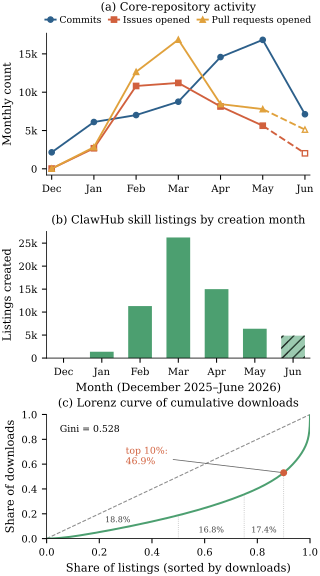
圖 2(原論文 Section 4.1,RQ1):作者把 commit、issue/PR activity、skill stock 與 downloads 放在同一個 growth view;最值得注意的是 stock 上升與 attention concentration 同時發生。原始圖與 caption。授權狀態:原論文頁面標示 CC BY 4.0;此處使用作者原圖,未改動內容。
Figure 2 所對應的結果是「成長很快,但不是均勻長大」。12 月每日新增 commit 約 2,151,3 月出現 16,832 peak,6 月回落到 7,124;issues 與 PRs 在 3 月的 peak 分別為 11,211 與 16,859。重建的 stock 在 91.11 天由 33,399 增至 65,175,增加 95.14%;March/April 新增量為 41,223,佔研究窗累計的 63.25%。這是 activity burst 與 stock growth 的描述,不等於每一個新 artifact 都低品質。
下載分布則更偏斜:研究 corpus 的總 downloads 為 62,342,228,median 是 515;前 1% 取得 21.36%,前 10% 取得 46.93%,底下 50% 只有 18.79%,Gini 為 0.528。這個結果對 registry UX 的含義是,少數 artifact 會成為大多數使用者接觸到的入口,但 visibility 會放大檢查負擔:top downloaded skill 一旦 provenance、version pin 或 capability metadata 不完整,影響面不只是一個 repository。
RQ2:association 能不能跨 cohort 與 age?
RQ2 沒有把「高下載」直接解讀成「高品質」。研究者先在 June full cohort 65,175 個 skill 上計算 seven signals:log downloads、stars present、multiple versions、version depth、file count、scripts present 與 script count;再與 pre-cutoff cohort 31,031 個 skill、cohort/age-adjusted model 比較。June 的 visibility 約為 63,574/65,175,也就是 97.54%;pre-cutoff 的 visibility 為 30,566/31,031,即 98.50%。這代表缺失並非主體,但 321 筆 missing latestVersion 仍可能與 outcome 差異有關。
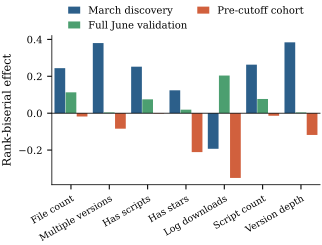
圖 3(原論文 Section 4.2,RQ2):把 March discovery、June full cohort 與 pre-cutoff cohort 的 association 放在同一張圖比較;讀者應注意 effect direction、magnitude 與 age-adjusted odds ratio 並不穩定。原始圖與 caption。授權狀態:原論文頁面標示 CC BY 4.0;此處使用作者原圖,未改動內容。
Full cohort 中七個 sign 有六個方向重現,但只有三個達到顯著;downloads 的 association 從負到正落在約 −0.19 到 +0.20,且 Spearman ranking 約為 −0.61,顯示排序並不穩定。把 age 標準化後,只有 has-scripts 的 odds ratio 約 1.14(95% CI 1.08–1.20)保持正向,而 downloads 約 0.81(0.76–0.87)。pre-cutoff 的七個 association 則全數為負,downloads 約 0.47、stars 約 0.72;沒有任何一個七訊號組合在這個切法下保持 7/7。
這一節的工程重點不是選一個更好的 popularity feature,而是承認 transportability failure。不同 cohort 的 skill age、listing policy、withdrawn data、平台功能與使用者行為會改變關聯。若把某個 snapshot 的 correlation 寫成 admission rule,下一個 cohort 可能得到相反決策。
RQ3:可問責與 privilege evidence 是否同時存在?
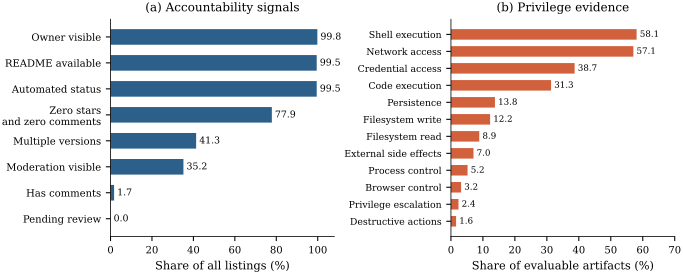
圖 4(原論文 Section 4.3,RQ3):左側呈現 owner、auto status、version 等 accountability evidence,右側對照 12 個 privilege dimensions;圖的重點是 metadata 可見性與 capability evidence 並不等於完整 review。原始圖與 caption。授權狀態:原論文頁面標示 CC BY 4.0;此處使用作者原圖,未改動內容。
RQ3 的 June snapshot 有 65,175 個 skill;其中 64,324 個可評估,851 個因所有欄位都 unknown 而被排除。owner evidence 約 99.82%,auto status 99.51%,multiple versions 41.32%,moderation 35.19%,comments 只有 1.72%。最醒目的 reviewability 結果是 77.86% 沒有 stars 或 comments;在 97.79% 的治理狀態中,使用者 feedback 沒有形成可見紀錄,只有 1.71% 被歸類為 complete record。
Privilege evidence 以 present/absent/unknown 表示,不等於作者宣告的 YAML key。由 regex 從 153,536/153,986 個 present results 抓到的 evidence,顯示至少一項 privilege 的 skill 佔 85.06%;至少四項佔 25.25%;平均 2.39、median 2。shell 約 58.08%,network 約 57.06%,destructive 約 1.61%。這些比例描述 artifact surface 的可觀測 evidence,不是 runtime invocation rate。
feedback 與 privilege 的交叉更能呈現 reviewability gap:zero-feedback 且可評估的項目中,42,160 個有 privilege evidence,佔 84.34%。有 commenter 的 skill 平均 privilege dimension 是 2.92;沒有 feedback 的 group 是 2.32;至少四項的比例則為 36.46% 對 23.46%。這裡不能推論「有留言就安全」,只能說 review input 與 capability evidence 並沒有均勻覆蓋。
RQ4:三個 scanner 看見的是同一個世界嗎?
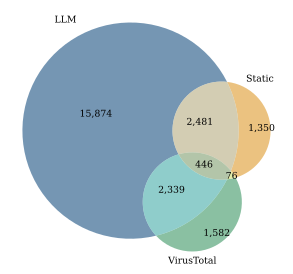
圖 5(原論文 Section 4.4,RQ4):三個 scanner 的 coverage、共同 flag 與各自獨有 flag,讓「沒有共同警告」和「已被證明 clean」之間的差距可視化。原始圖與 caption。授權狀態:原論文頁面標示 CC BY 4.0;此處使用作者原圖,未改動內容。
作者先把 scanner status 正規化,再分析 coverage。LLM、static、VirusTotal 各自覆蓋約 99.42%、97.80%、97.19%;三者共同有結果的 61,990 個,佔 95.11%,另有 3,185 個 missing/indeterminate。共同 flag 至少一個的為 24,148,三個全 flag 只有 446;LLM-only 旗標有 15,874。這不是單純的工具競賽,而是表示每個 scanner 的 visibility、rule vocabulary 與判斷 unit 不同。
作者從 eligible pool 276 個項目做 stratified sample,seed 42,抽出 180 個(80 flagged、100 clean)。兩位 annotator 有 7 年與 5 年經驗,先各自判斷,再 adjudicate 成 69 個 flag 與 111 個 do_not_flag。這個 reference label 的 flag 含義比 maliciousness 更寬,包含 suspicious、privilege、prompt injection 或需要 review 的 evidence,所以不應把 precision 叫成「惡意偵測準確率」。
以這個小型 reference set 與 bootstrap intervals 為界,LLM scanner 的 sensitivity 為 61.06%、specificity 81.28%、precision 67.40%;static 是 sensitivity 21.67%、specificity 95.38%、precision 74.84%;VirusTotal 是 sensitivity 25.11%、specificity 84.54%、precision 50.74%。這些數字支持「coverage 與錯誤型態不同」;它們不支持任一 scanner 在 production 取代 human review,也沒有提供 LLM 與 static precision 的統計排名結論。
實驗證據怎麼讀:數字、缺失與不確定性
可比性不是自動存在
RQ2 的 cohort、age、missingness 與 BH correction 必須一起看。若只挑 full June 的正向 association,會忽略 pre-cutoff 全部負向的結果;若把缺少 latestVersion 的項目直接刪除,也會把 outcome-differential missingness 隱藏起來。研究者用 Mann–Whitney、rank-biserial effect、Spearman 與 odds ratio 表達不同層次的關聯,這不是一個可以被單一 correlation 替代的 analysis。
RQ3 的 privilege features 也要和 parser quality 一起看。missing SKILL.md、invalid UTF-8、malformed frontmatter 進入 unknown;因此 absent 只表示在可解析 artifact surface 中沒有被該 detector 找到。這個 semantics 比把 unknown 塞進 absent 更保守,但也表示 85.06% 只能讀成「至少出現 static privilege evidence 的可評估比例」。
RQ4 的 reference sample 規模小,而且 annotator 的 label 不等同於 malware ground truth。三個 scanner 的 raw flags 多數是 suspicious 而不是 malicious:LLM 約 22,862 suspicious 對 1 malicious,VirusTotal 約 4,643 suspicious 對 210 malicious。因而 scanner overlap 是 triage evidence,不是 severity truth。
失敗模式、成本與轉移
paper 的 failure modes 具有可操作性:
- snapshot drift:registry policy、host feature、withdrawn item 與 downloads 會變,舊 correlation 不能直接當新 gate。
- cohort confounding:早期項目有較長 age,後期項目承受不同 discovery policy;age adjustment 不能保證消除所有 confounders。
- schema missingness:latestVersion、SKILL.md、frontmatter 或 Git source 缺失時,分析的 denominator 會變。
- static/runtime gap:shell、network、destructive evidence 是可能 capability,不是 actual effect。
- scanner label gap:沒有 perfect ground truth,reference set 的 flag 定義較寬;precision/sensitivity 只適用於該抽樣與 label contract。
- review cost:65,175 項目的 full manual review 不現實;但「自動掃過」也不代表 review queue 已被解決。應把 flags、unknown 與高影響 exposure 分層排序。
- transfer failure:作者明確提醒 rates 不應原封不動搬到其他 registry;較能轉移的是 measurement protocol、欄位語義與 audit trail,而不是 85.06%、61.06% 或 0.528。
Artifact 與可重現性:paper 的 claim 要和端點現況分開
論文的 data availability 指向 Zenodo DOI 10.5281/zenodo.21469516。我在 2026-09-17 以 DOI redirect 與 Zenodo record API 獨立檢查:DOI endpoint 回傳 404,Zenodo API 也回報 persistent identifier 未註冊。因此本文不把該 DOI 寫成「目前可下載的 replication package」;更精確的狀態是:paper 宣稱資料可用,但截至檢查日指定 endpoint 無法取得 record。
OpenClaw repository 與 ClawHub repository 本身可由 GitHub endpoint 存取,但這只證明現行 repository endpoint 存在,不保證 paper 的 historical crawl、withdrawn items、registry dump、issue access snapshot 或研究者衍生 tables 可由今天的 repository 重建。若要重跑,至少需要固定 commit/crawl date、stable ID mapping、缺失資料處理、regex version、scanner version、sample seed、annotator rubric 與 label adjudication。
Bloss0m 工程化整理:把 registry trust 寫成五個狀態
以下是本文的 engineering judgment,不是論文提出的產品規格;它只把 paper 的分層 evidence 轉成可以落地的 record contract:
| 控制面 | 應保留的欄位 | 可以回答的問題 | 不可以宣稱的事 |
|---|---|---|---|
| Discovery | download snapshot、stars、comments、ranking、age | 使用者通常會看到什麼? | 熱門就是安全 |
| Provenance | publisher、stable ID、version、content hash、source、withdrawn time | 這份 artifact 從哪裡來、是否可反查? | source 存在就可信 |
| Artifact review | parsed files、scripts、network/shell/destructive evidence、unknown reason、scanner flags | 靜態內容暴露哪些可能 capability? | evidence 就等於 runtime effect |
| Host policy | tool visibility、filesystem scope、credential scope、network egress、approval、sandbox | 在這個 host 允許什麼? | artifact metadata 可以覆寫 host policy |
| Runtime telemetry | invocation、input/output hash、destination、policy decision、effect outcome、rollback/revocation | 實際發生什麼、能否追溯? | 一次沒有觀測到的 effect 就不存在 |
每個 control plane 都應有自己的 state machine,例如 discovered → provenance_verified → artifact_review_required → host_allowed → runtime_observed;任一節點缺資料就停在 unknown 或 review_required。這樣做的代價是多幾個欄位、queue 與 operator workflow;好處是後續能回答「哪一層做了錯誤決定」,而不是用一個 trust score 把責任混在一起。
什麼時候不要直接採用這個方法?
如果系統是純 read-only、沒有 external side effect、沒有第三方 skill 安裝,完整 registry governance 可能會超過風險本身;可以先使用簡化 provenance 與 permission boundary。反過來,如果 skill 可以讀 credential、寫 production、改 policy、發送訊息或執行 arbitrary shell,就不應只採用 scanner flag、downloads threshold 或 stars gate。對高影響 action,必須加入 host-level least privilege、approval/sandbox、runtime audit、撤銷與 incident replay;paper 的 public static measurement 不能替這些 controls 背書。
限制與不支持什麼
這篇研究的 internal validity 受 missing latestVersion、缺少 SKILL.md、invalid encoding、malformed metadata 與 withdrawn data 影響;RQ1 的 June endpoint 也有 right-censoring。external validity 更窄:案例是 OpenClaw/ClawHub,一個短期且高速成長的 registry;activity、policy、publisher 行為與 scanner coverage 在另一個 ecosystem 可能不同。RQ3 的 privilege regex 會錯過語意型、間接型或 runtime-only capability;RQ4 的 reference sample 太小,且 annotator labels 不是 maliciousness truth。研究沒有執行 sandbox runtime、沒有建立全 registry 的 independent ground truth,也沒有證明某個 static flag 會造成真實 harm。
所以,不應從本文推出以下結論:OpenClaw 的 85.06% 就是實際危險率;前 10% downloads 就是風險集中率;沒有 scanner flag 就 clean;有 owner 或 auto status 就 accountable;或所有 agent-skill registry 都會重現同樣的 91.11-day curve。可轉移的是「如何把 unknown 留在資料模型裡、如何固定 snapshot 與 cohort、如何把 artifact evidence 和 runtime evidence 分開」。
三個記憶點
- 成長與信任是兩條軸:stock +95.14%、downloads Gini 0.528 是 discovery/capacity signal,不是 authorization signal。
- reviewability 是資料品質問題也是治理問題:77.86% 沒有 stars 或 comments,85.06% 至少有一項 privilege evidence;未知與缺 feedback 都要進 workflow,而不是被默認忽略。
- scanner 只能分流:三者共同 flag 只有 446;reference set 的 sensitivity/precision 受 label、sample、版本與 coverage 限制,真正的 runtime safety 仍需要 host policy 與 telemetry。